

Imagine a life where you don’t have to worry about paying bills, dealing with blackouts, or depending on external systems for your basic needs. A life where you can generate your power, collect your water, grow your food, and manage your waste. A life where you can reduce your environmental impact, achieve self-sufficiency, and enjoy more freedom and flexibility.
Off-grid living is a lifestyle characterized by a deliberate choice to live independently from traditional utility services and infrastructure such as electricity, water supply, sewage systems, and natural gas. It involves relying on self-generated resources and sustainable practices to meet daily needs. Off-grid individuals and communities aim to reduce their environmental footprint, achieve self-sufficiency, and minimize dependence on external services.
But what does it mean to live off the grid? How do you do it? And why should you consider it? In this article, we will answer these questions and more. We will also look at some examples of off-grid living worldwide and the pros and cons of this lifestyle.
What is Off-Grid Living?
Off-grid living is not a one-size-fits-all concept. Depending on their goals, preferences, and circumstances, it can mean different things to different people. Some people may go completely off the grid, disconnecting from all public services and living in remote locations. Others may opt for a partial off-grid lifestyle, maintaining some connections to the grid while generating some of their resources. Some may live off-grid by necessity due to lack of access or affordability of grid services. Others may do it by choice to express their values and beliefs.
However, some common elements define off-grid living. These include:
- Using renewable energy sources, such as solar, wind, hydro, or biomass, to generate electricity and heat.
- Collect and store rainwater or use wells, springs, or rivers for water supply.
- Using composting toilets, septic tanks, or biogas systems for waste management.
- Growing, harvesting, and preserving food or sourcing it locally and organically.
- Reducing, reusing, and recycling materials and minimizing waste production.
- Using low-impact and natural building materials, such as straw, wood, or earth, for construction and insulation.
- Adopting a minimalist and frugal lifestyle, avoiding unnecessary consumption and debt.
These elements can help you create a more sustainable and resilient way of living that is in harmony with nature and your values. They can also help you save money, improve your health, and enhance your well-being.
Why Does Off-Grid Living Matter?
Off-grid living can have many benefits for individuals and the planet. Some of these benefits are:
- Environmental: Off-grid living can help reduce greenhouse gas emissions, conserve natural resources, protect biodiversity, and prevent pollution. Using renewable energy and off-grid living can also increase resilience to climate change and natural disasters.
- Economic: Off-grid living can help save money, avoid debt, and increase financial independence. By generating and managing their resources, off-grid individuals and communities can create new income opportunities and support local economies.
- Social: Off-grid living can help foster a sense of community, cooperation, and mutual aid. Living closer to nature means off-grid individuals and communities can improve their health, well-being, and happiness.
- Political: Off-grid living can help challenge the status quo, question the dominant paradigms, and promote alternative values and visions. Off-grid individuals and communities can exercise their autonomy, self-determination, and sovereignty by opting out of the grid.
Off-grid living can also be a rewarding and fulfilling experience that can enrich your life and broaden your horizons. It can help you discover new skills, learn new things, and explore new places. It can help you connect with yourself, others, and the natural world. It can help you live more authentically, creatively, and joyfully.
How to Do Off-Grid Living?
Off-grid living is a challenging choice. It requires a lot of planning, preparation, and adaptation. It also involves many challenges, risks, and trade-offs. Some of the steps that can help anyone who wants to pursue off-grid living are:
- Research: Learn as much as possible about off-grid living, its benefits and drawbacks, its legal and practical implications, and its different options and approaches. Seek advice and guidance from experts, mentors, and peers who have experience in off-grid living.
- Assess: Evaluate your situation, needs, goals, and motivations for going off-grid. Consider your budget, skills, location, lifestyle, and expectations. Identify your strengths and weaknesses and the opportunities and threats you may face.
- Plan: Develop a realistic and feasible plan for your off-grid project, considering your resources, constraints, and preferences. Set clear and measurable objectives, timelines, and milestones. Anticipate potential problems and solutions.
- Act: Step by step, implement your plan with patience and perseverance. Be flexible, adaptable, and ready to make adjustments and improvements as you go along. Monitor and evaluate your progress and results.
- Review: Reflect on your off-grid experience, its outcomes and impacts, its successes and failures, and its lessons and insights. Celebrate your achievements, acknowledge your challenges, and share your stories.
Off-grid living is not a one-time decision but a continuous learning, adapting, and improving process. It is not a destination but a journey. It is not a fixed state but a dynamic spectrum. It is not a utopia but a reality.
Examples of Off-Grid Living
Off-grid living is not a new or rare phenomenon. It has been practiced by many people and communities throughout history and worldwide. Some of the examples of off-grid living are:
- Indigenous communities: Many indigenous peoples have lived off the grid for centuries, maintaining their traditional knowledge, culture, and values. They have adapted to their environments, using natural resources wisely and sustainably. Some examples are the Inuit in the Arctic, the Maasai in Africa, and the Yanomami in the Amazon.
- Eco-villages: Eco-villages are intentional communities that aim to create a harmonious and sustainable way of living based on ecological and social principles. They often use renewable energy, organic farming, and natural building techniques. Some examples are Findhorn in Scotland, Auroville in India, and Tamera in Portugal.
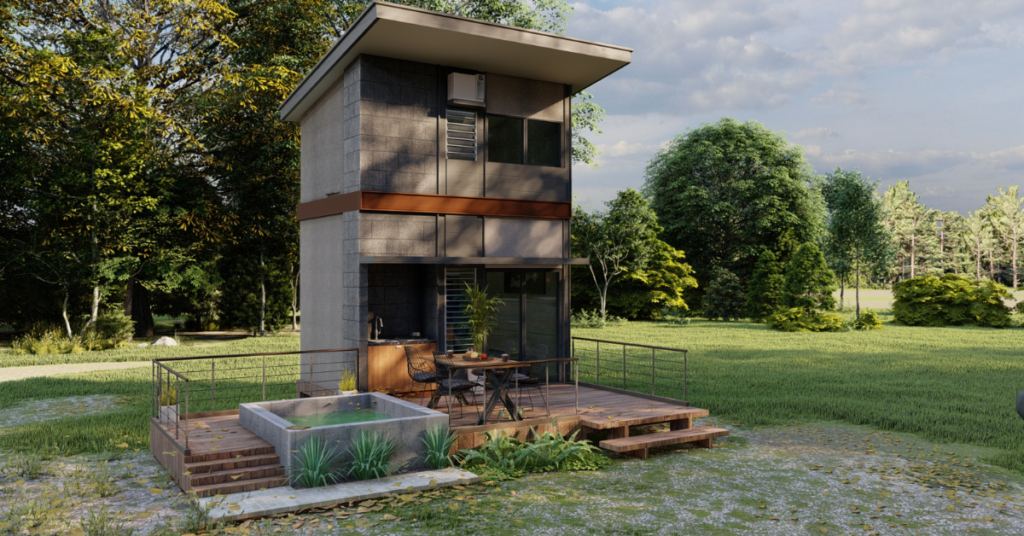
- Tiny houses are small, straightforward dwellings offering a minimalist and affordable alternative to conventional housing. They often use solar panels, rain barrels, and composting toilets. Some examples are the Tiny House Movement in the US, the Tiny House Project in Australia, and the Tiny House Festival in Canada.
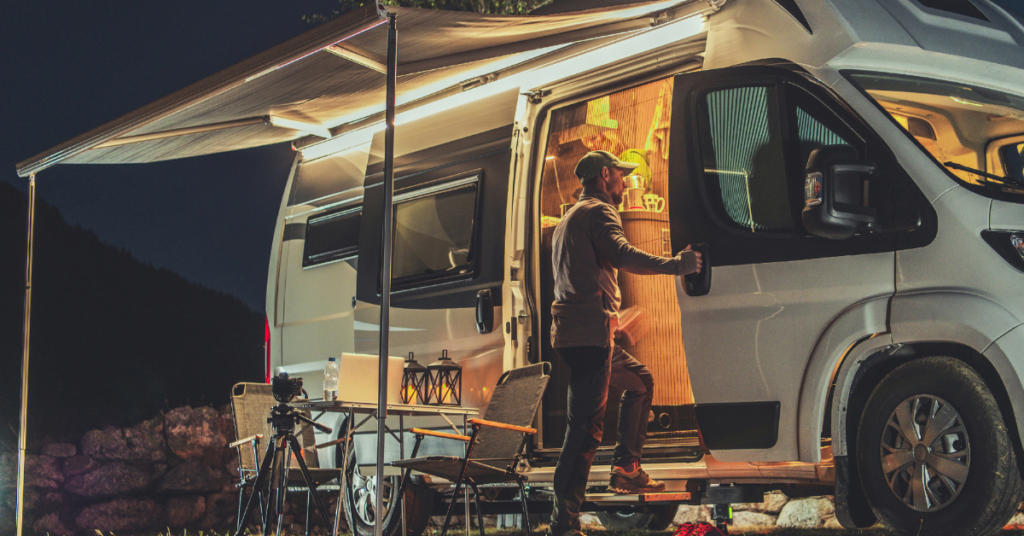
- Van life: Van life is a lifestyle that involves living and traveling in a converted van, camper, or RV. It offers a nomadic and adventurous way of living, with freedom and flexibility. It often uses solar power, portable water tanks, and mobile internet. Some examples are the Van Life Diaries, the Van Life App, and the Van Life Magazine.
Pros and Cons of Off-Grid Living
Off-grid living is not a perfect or ideal solution. It has advantages and disadvantages, joys and sorrows, rewards and costs. Some of the pros and cons of off-grid living are:
| Pros of Off-Grid Living | Cons of Off-Grid Living |
|---|---|
| 1. Self-Sufficiency: Off-grid living promotes self-reliance and the ability to meet your basic needs independently. | 1. Initial Costs: Setting up an off-grid system can require a significant upfront investment in renewable energy sources, water systems, and sustainable infrastructure. |
| 2. Sustainability: Off-gridders often embrace eco-friendly practices, reducing their environmental footprint and preserving natural resources. | 2. Maintenance: Off-grid systems require ongoing maintenance and occasional repairs, which can be time-consuming and costly. |
| 5. Remote Living: Off-grid homes often live in peaceful, natural settings, offering privacy and tranquility. | 3. Limited Amenities: Off-grid living may lack access to modern conveniences like high-speed internet, cable TV, or nearby healthcare facilities. |
| 4. Lower Utility Bills: Off-grid individuals typically have minimal or no utility bills, saving money in the long run. | 4. Adaptation: Adapting to off-grid living can be challenging, especially if you’re accustomed to urban comforts and conveniences. |
| 9. Food Production: Growing your food can lead to fresher, healthier meals and reduced grocery expenses. | 5. Resource Management: Managing water, waste, and other resources requires careful planning and eco-conscious practices. |
| 6. Reduced Environmental Impact: Off-grid living encourages sustainable choices, reducing pollution and habitat disruption. | 6. Water Supply: Depending on rainwater collection, wells can be affected by droughts or water quality issues. |
| 7. Connection to Nature: Living off-grid fosters a closer connection to the natural world and appreciation for its beauty. | 7. Seasonal Challenges: Harsh winters, extreme heat, or other seasonal conditions can pose challenges for off-grid residents. |
| 8. Personal Freedom: Off-grid living empowers individuals to make autonomous decisions about their lifestyle and daily routines. | 8. Initial Learning Curve: Transitioning to off-grid living requires learning new skills and adapting to a different way of life. |
| 6. Water Supply: Depending on rainwater collection wells can be affected by droughts or water quality issues. | 9. Isolation: Living in remote areas may lead to feelings of isolation, especially for those accustomed to social interaction. |
| 10. Preparedness: Off-grid living can enhance your readiness for emergencies and crises by fostering self-sufficiency. | 10. Limited Job Opportunities: Finding employment in remote off-grid areas can be challenging, and many off-gridders rely on remote work or passive income sources. |

Conclusion
Off-grid living is a lifestyle that can offer many benefits and opportunities but also many challenges and risks. It is a lifestyle that can suit different people and situations but also requires careful planning and preparation. It is a lifestyle that can be rewarding, fulfilling, demanding, and challenging.
Suppose you are interested in off-grid living or curious about it. In that case, this article has given you some helpful information and inspiration. Off-grid living is not for everyone, but it could be for you. It is a lifestyle that can change your life and the world.